Engineering the Future of Autonomous Systems

47 members

StanfordUAV develops autonomous aerial systems that support rapid response, search and rescue, and national resilience, integrating fixed-wing platforms, AI-driven fleet control, and multi-modal tracking to enable fast, informed decisions in complex environments.

To sponsor or support the Stanford Student Robotics Nat. Sec. track, please contact stanfordroboclub@gmail.com

High-Endurance Lifting-Body eVTOL
PI: Anish Bayya, Artash Nath, Ethan Kong, Tiger StrakeStart: May 2025

High-Endurance Lifting-Body eVTOL

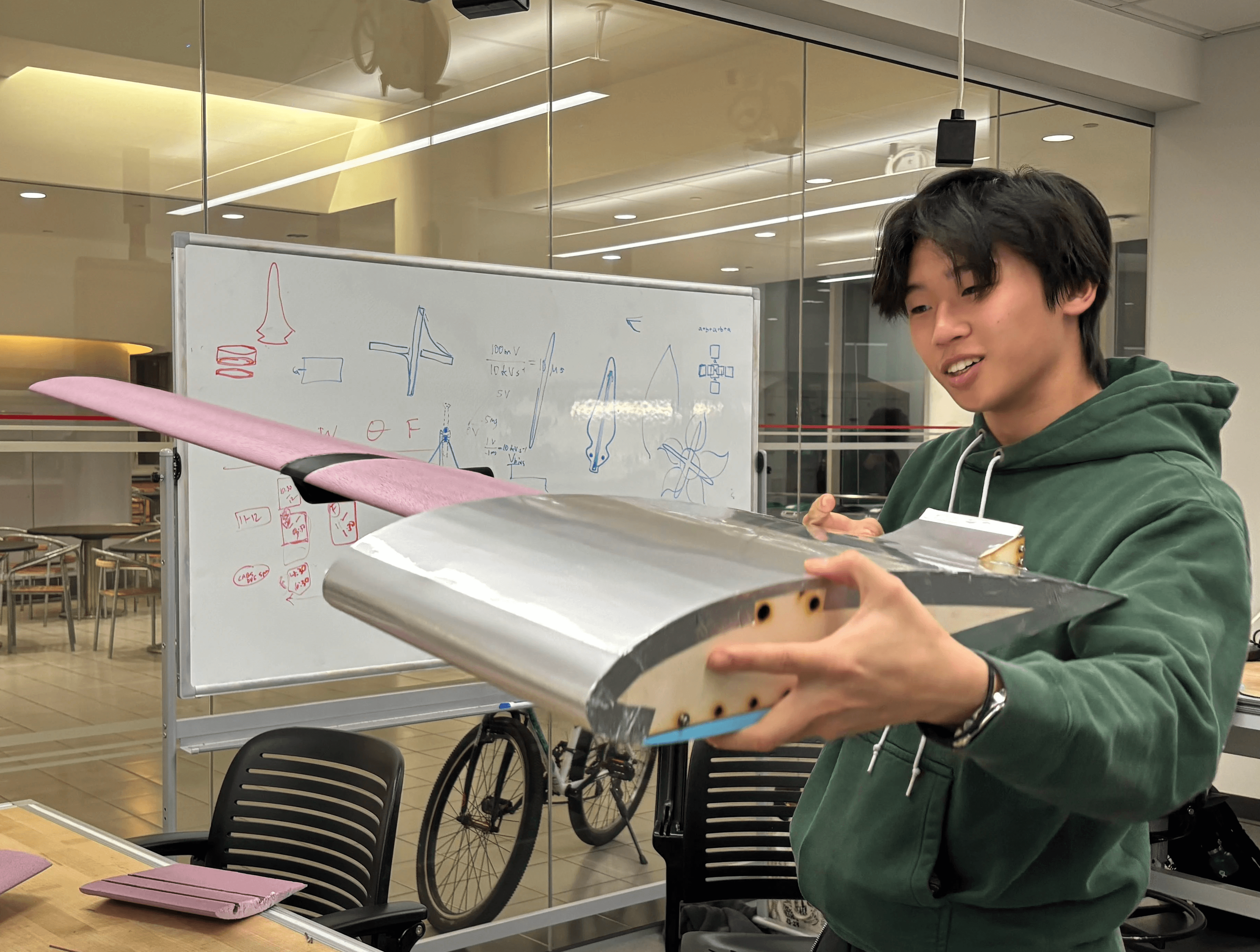
A custom fixed-wing drone with a lifting body to maximize efficiency and range. Built using pink foam and balsa wood and outfitted with a pusher propellor system for vertical and forward flight.
Low-Cost GPS-denied Quadcopters
PI: Artash Nath, Julia Jiang, Kelvin NguyenStart: December 2025

Low-Cost GPS-denied Quadcopters

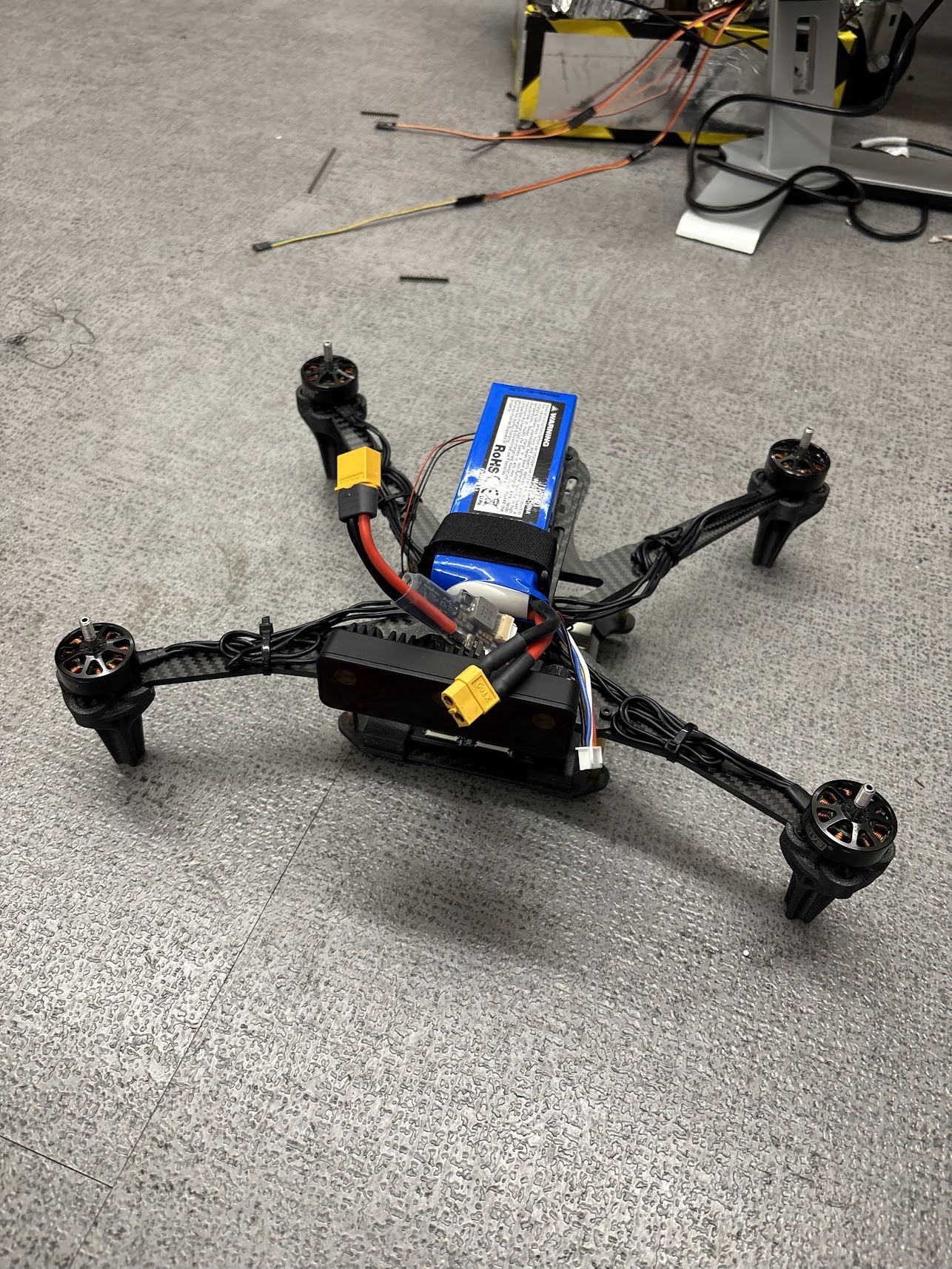
Custom drones built from carbon fibre capable of navigating indoors or in GPS-denied environments using computer vision. Each drone costs < $1k and is equiped with a depth camera and Orin Nano.

Optical and Acoustic Tracking for UAS
PI: TBAStart: March 2026

Optical and Acoustic Tracking for UAS

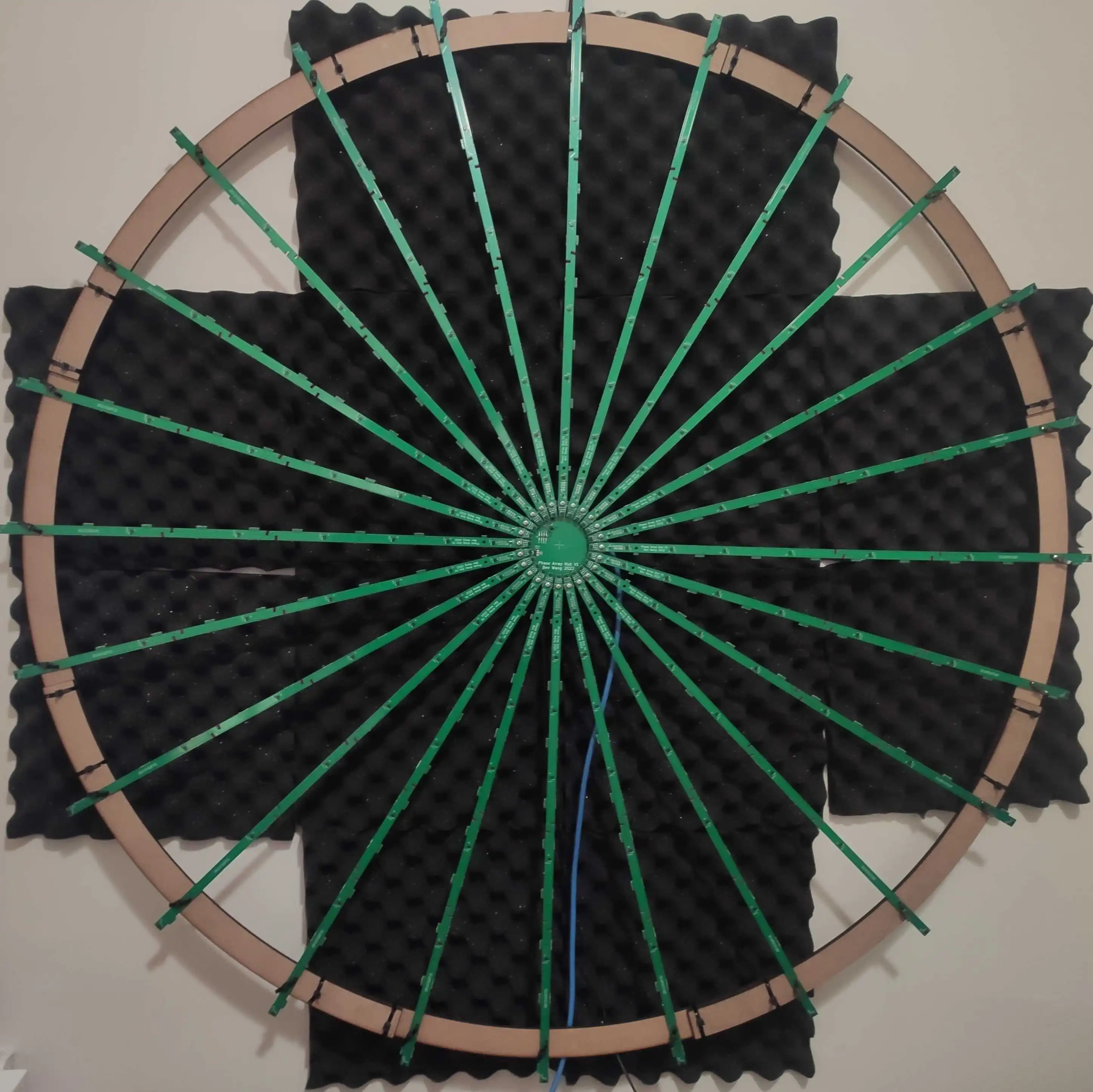
A multimodal sensing pipeline that fuses visual and acoustic data, leveraging circular microphone arrays and artificial Doppler processing to estimate direction-of-arrival and improve localization, detection, and environmental awareness in complex real-world conditions.

Extreme-Speed Autonomous UAV Platform
PI: Anish Bayya, Artash Nath, Kelvin Nguyen, Koichi Kimoto, Julia JiangStart: April 2026

Extreme-Speed Autonomous UAV Platform

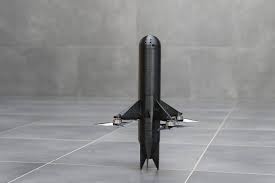
A high-speed autonomous multirotor platform designed for deployment from fixed-wing aircraft, focusing on perception, state estimation, and control in high-speed flight regimes approaching 350 km/h.

Copyright © 2026 Stanford Student Robotics. All rights reserved.

An Affiliate VSO of Stanford University